
"Ethiopian coffee methods"
4000 article(s) found

Ethiopian Solar Yega Shifeiwaka Coffee Flavor description Grinding degree Taste treatment method
The world-famous Ethiopian coffee is mainly as follows: 1. Limu coffee grows between 1400 meters and 2000 meters above sea level. Wash the coffee. Excellent quality, with strong nut aromas, suitable acidity, with the intensity of wine. The annual output is 29000 tons. 2. Jima Coffee grows between 1400 and 1800 meters above sea level. Sun-baked coffee. Slightly sour, with nutty aromas and a long finish. Annual output
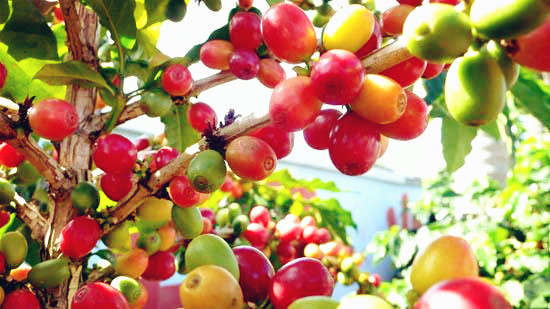
Ethiopian coffee is the origin of Ethiopian coffee and the culture of coffee ritual.
Ethiopia is one of the major producers of Arabica coffee in Africa, producing the best Arabian coffee in the world. It is said that coffee was first discovered by shepherds in Essekafa, and the name of coffee evolved from Kafa, so Essex is still the hometown of coffee. The geographical environment of coffee production and processing is very suitable for coffee growth. Coffee is mainly cultivated.

Development of Ethiopian Coffee characteristics of Ethiopian Coffee
Coffee Workshop (official Wechat account cafe_style) Coffee from Africa and Arabia: Ethiopian coffee was originally developed in Yemen as a commercial crop, but Arabica coffee tree originated in the highlands across the Red Sea in western Ethiopia, where people are still harvesting wild berries. Today

Boutique Coffee Ethiopian Sidamo Coffee Bean Ted Manor
In the past, the Ethiopian sun exposure method used to spread wild coffee fruits directly on the mud ground for exposure. This method has two disadvantages: 1. After picking beans without special screening and treatment, uneven appearance and maturity are mixed together, the process is relatively rough, so the quality of coffee beans is unstable and prone to defective beans. two。 Coffee farmers usually live directly.
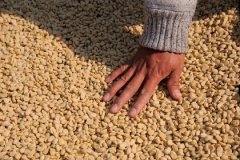
Ethiopian washed Sidama G1 Miyu micro-batch coffee beans flavor characteristics, production areas and brewing ginseng
Professional barista exchanges, please pay attention to coffee workshop (Weixin Official Accounts cafe_style ) Ethiopian coffee beans adopt this grading method according to the proportion of defective beans. Indonesian beans are mainly divided into 6 grades, namely G1G6. Ethiopia also uses this method, the highest grades of washed beans are G1 and G2; the highest grades of sun beans are G1 and G3. Wash: Grade-1;Grade-2 (G1G2) Days

Sunburn Ethiopian Sidamo coffee beans introduce boutique coffee
In the past, the Ethiopian sun exposure method used to spread wild coffee fruits directly on the mud ground for exposure. This method has two disadvantages: 1. After picking beans without special screening and treatment, uneven appearance and maturity are mixed together, the process is relatively rough, so the quality of coffee beans is unstable and prone to defective beans. two。 Coffee farmers usually live directly.

Introduction to the treatment methods of roasting degree of high-quality coffee beans in Ethiopian coffee producing areas
Coffee is Ethiopia's most important export cash crop and the main source of Ethiopia's foreign exchange earnings. Ethiopia's coffee exports account for about 3% of the world market, making it the eighth largest coffee exporter in the world. Coffee exports increased steadily from 58000 tons in 1990 to 110000 tons in 1995-1996 and remained at this level in the following years. 2001-2002

A brief introduction to Ethiopian Coffee Culture sharing of Yega Xuefei's hand flushing method
Professional coffee knowledge exchange more coffee bean information please follow the coffee workshop (Wechat official account cafe_style) front street-Ethiopia Yegashifi Erica Coffee sharing Coffee Root is in Ethiopia. It is said that the English word coffee also comes from the place name Kaffa in Ethiopia. Legend has it that around 900 AD, the Cafa region of Ethiopia

Ethiopian Sidama Coffee Bean Taste Treatment Method Grinding Scale Variety Introduction
The taste of Ethiopian Sidamo coffee beans processing method grinding scale variety introduction 1. Check whether the siphon pot upper/lower seat and filter, filter cloth are in good condition, timer, stirring rod and coffee measuring spoon are complete. 2. Pure water is used. In order to improve the production speed, the water can be heated directly. 3. Add water (slightly more than the actual amount) according to the scale on the bottom of the siphon pot. 4. ignition

Introduction to the quality and taste of grinding scale of Ethiopian Sidamo coffee bean flavor description method
Ethiopian Sidamo Coffee Bean Flavor description method Grinding scale quality Taste introduction dessert maker Wei Wei brought back coffee beans from the famous the cupping room. The store was founded in 2011, when it won the second place in the Hong Kong barista competition, winning the top three Hong Kong champions and third runners-up in 2012 and 2013, and founder Kapo Ch in 2014.

Introduction to varieties of Ethiopian coffee bean flavor description grinding scale treatment method
Ethiopian coffee bean flavor description grinding scale treatment variety introduction Ethiopia has a unique and different flavor, providing customers all over the world with a wide range of taste choices. In the highlands of southwestern Ethiopia, coffee growers in Kaffa, Sheka, Gera, Limu and Yayu

Introduction to varieties of Ethiopian coffee bean flavor description grinding scale treatment method
Ethiopian coffee bean flavor description grinding scale treatment variety introduction Ethiopia has a unique and different flavor, providing customers all over the world with a wide range of taste choices. In the highlands of southwestern Ethiopia, coffee growers in Kaffa, Sheka, Gera, Limu and Yayu
The origin and development of Ethiopian fine coffee beans
Ethiopian coffee beans

Ethiopia Wolichu Wachu Wulichuachu processing Plant-Ethiopian Bourbon Coffee beans
Professional Coffee knowledge Exchange for more information on coffee beans please follow the new batch of Ethiopian coffee from the small processing plant in the coffee workshop (Wechat official account cafe_style) on the other side of the mountain. Altitude: 2100-2310 m area: Guji washing station: Walichu Wachu (Wali out) bean seed: Ethiopian native species Ethiopian Heirloom washing place

A brief introduction to the producing area of Ethiopian coffee beans by taste and flavor description method
Brief introduction to the producing area of Ethiopian coffee beans grown on the plateau of 4900-5900 feet (Wollega province) above sea level in Western Ethiopia, north of Jima, most of them are wild, with an annual output of about 500000bags/60kg, and most of them are exported to G5/G4. The beans are larger and longer than Longberry, with a little brown in green, similar to the taste of jasmine tea, bitter, and lack of upsurge.
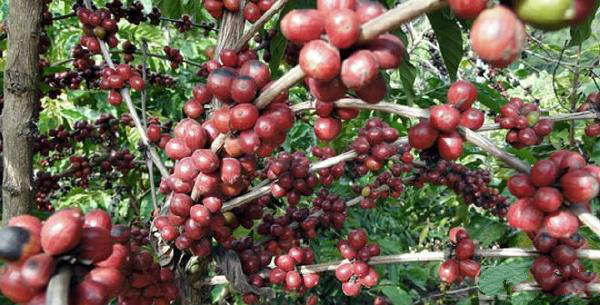
Excuse me, where can I buy authentic Ethiopian coffee? Ethiopian Coffee Sidamo
Ethiopia is one of the major producers of Arabica coffee in Africa, producing the best Arabian coffee in the world. It is said that coffee was first discovered by shepherds in Essekafa, and the name of coffee evolved from Kafa, so Essex is still the hometown of coffee. The geographical environment of coffee production and processing is very suitable for coffee growth. Coffee is mainly cultivated.

Ethiopian Coffee | Flavor characteristics and Classification of Ethiopian Yega Snow Coffee
For more information on coffee beans, please follow the coffee workshop (Wechat official account cafe_style) [product name]: Ethiopia Yirgacheffe, Ethiopia [quality rating]: WP Grade 2 [roasting degree]: recommended moderate roasting degree (Medium Roast or City Roast) [Grade]: excellent [granules]:

How to drink coffee beans washed in Ethiopian tea Liku water _ introduction to Ethiopian coffee producing areas
Professional coffee knowledge exchange more coffee bean information please follow the coffee workshop (Wechat official account cafe_style) Ethiopian coffee Ethiopia Ethiopia is the birthplace of coffee, legend has it that an unknown shepherd Kadi Kaldia found this best-selling mysterious red fruit: coffee, while herding sheep in the forests of western Ethiopia.

Introduction to the varieties of Grinding scale by the method of describing the Flavor of Ethiopian Yegashefi ARICHA Coffee
Ethiopia Yegashuefi ARICHA coffee flavor description grinding scale variety introduction there are many high-quality coffee processing plants in the Yegashafi region, a lot of caffeine from these processing plants, become a hundred times the price, Kebel Aricha Mill sun tuition fee is one of them, this coffee is also what we often call ARICHA beans, is the Kebel Aricha processing plant

Introduction to the taste treatment method of flavor description in Ethiopian coffee origin and producing area
Ethiopian coffee origin characteristics flavor description taste treatment method A coffee tree usually takes about three to four years to grow before it begins to bear fruit, with red berries and a small number of yellow berries. After drying and removing the pulp, the coffee beans can be separated. There are shadows of coffee beans all over the world, and as long as the climate is right, it can grow as usual.